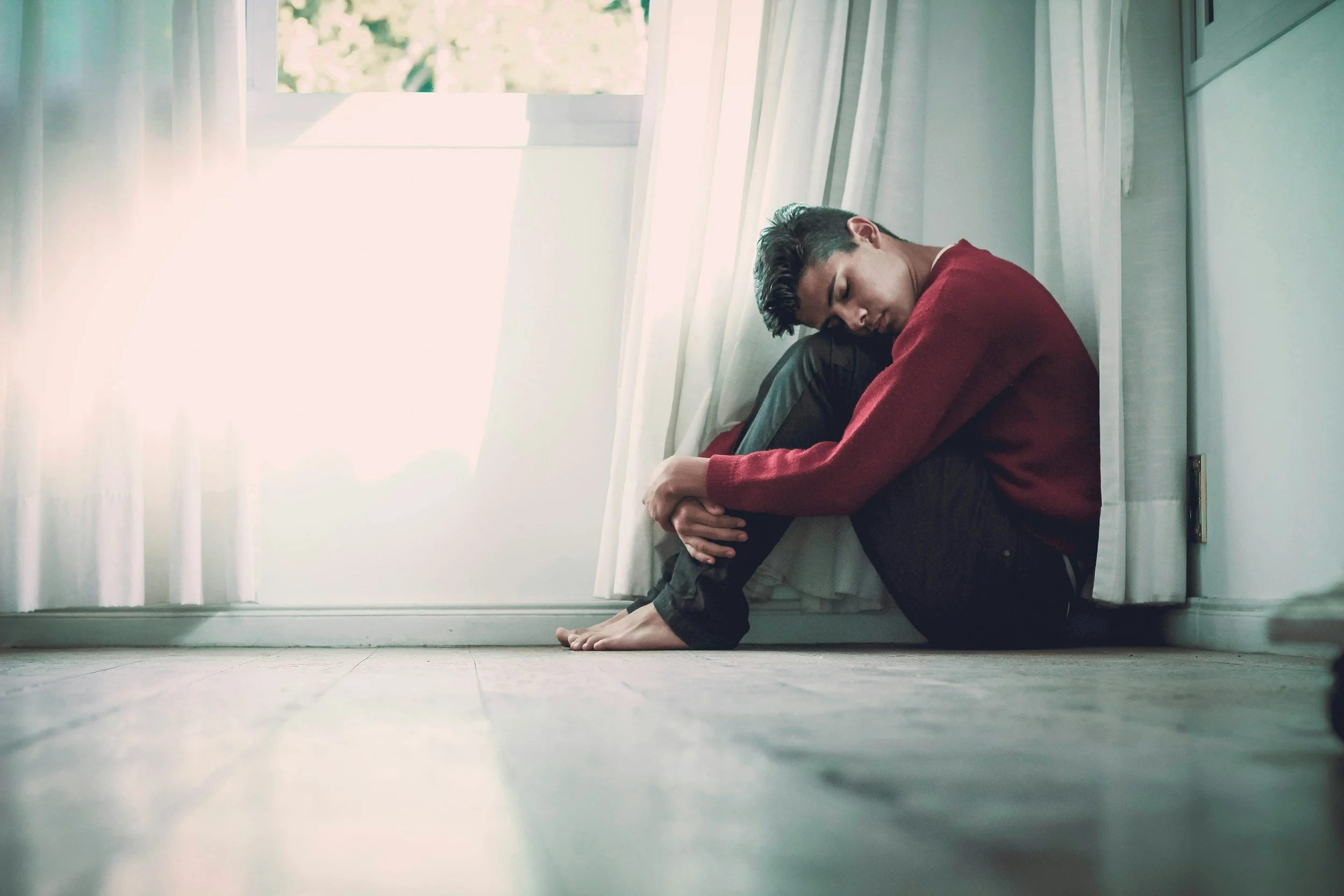
Depression, or depressive disorder, is a common in terms of mental disorders. It shows as disinterest and/or loss motivation for activities as well as regular changes in feelings and mood switches which affect the lives of the affected ones significatly, resulting in problems in personal events and surroundings.
Symptoms
Symptoms of depression vary depending on individual and may be:
loss of interest
loss of appetite
depressed (sad, desperate, lonely…) mood
constant mood changes
low energy levels
low self worth and self esteem
guilt
feeling hopeless.
Types
Depression can be categorized into different types ,depeding on the severity and frequency of episodes: mild depression, moderate depression and severe depression.
Also, there are pattern of episodes:
single episode depressive disorder (first and only episode)
recurrent depressive disorder (atleat 2 episodes)
bipolar disorder (behavior variables between sudden switches of mood (iritiability, excitement, talkactiveness, tiredness, impulsiveness…))
The DSM-5 defines different types of depression:
major depressive disorder (MDD) (ongoing sadness/loss of interest)
persistent depressive disorder (long-term depression for more than 2 years)
disruptive mood dysregulation disorder (found in children who have temperament outburst and iritiability)
premenstrual dysphoric disorder (mood switches before menstruation)
substance/medication-induced depressive disorder (medications as the cause)
depressive disorder due to another disease/condition
other (not) specified disorders
Causes
Depression can affect everyone, but there are some factors which might contribute to depressive behavior more strongly including:
genetical predispositions/biology
traumatic events (unemployment, losses…)
physical conditions
Physical diseases often lead to even more stress because of the difficulties that these diseases bring with them, resulting in a circle of spiraling between depression and physical problems as a part of its factor and depression as a consequence of the physical disease.
Treatment and recovery
Treatments have a big impact on the development and recovery of depressive disorder. The first step is mostly psychological treatments including talk therapy and behavioral exercises.
At moderate and severe depression, medications can be considered, but they are mostly not the first option since they can have impacts on the individual’s physical health.
To support recovery and promote self-care, it is helpful to follow certain advice:
exercise regularly (walks, runs, playing sport games…)
regular nutrition habits
maintain connections to loved ones
avoid/cut alcohol (since it plays a role on your physical health and might end up in a vicious circle)
talk to someone trusted
ask for professional help (!)
And most importantly, affected ones should remember they are not alone.
Sources
World Health Organization, (29.08.2025), ‘Depressive disorder (Depression), World Health Organization
Cleveland Clinic, (28.05.2026), ‘Depression’, Cleveland Clinic