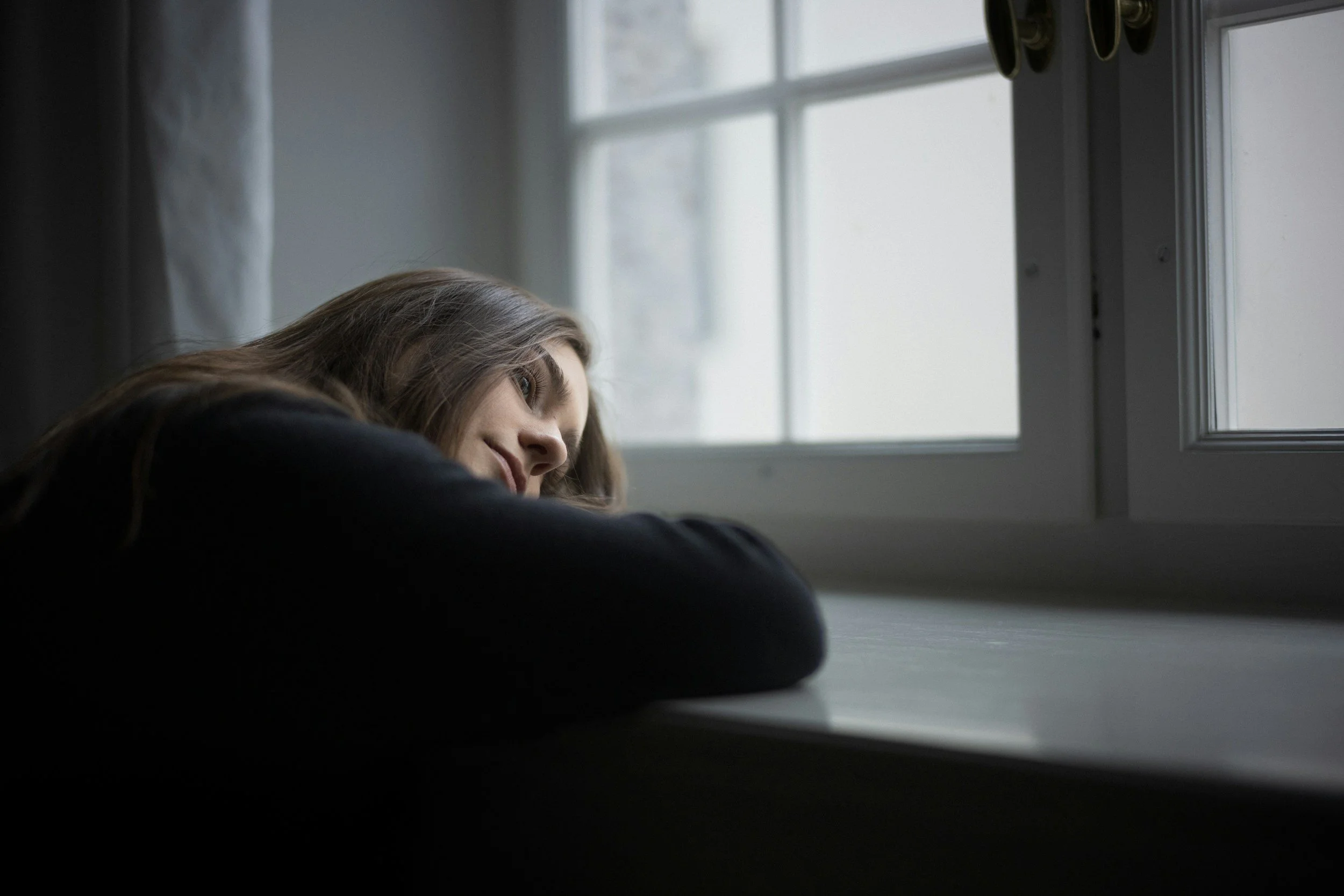
Anxiety disorders are the most common to be found among all mental disorders. People who deal with anxiety often experience strong fear and worry about a situation which leads to physical tension including change in behavior, affecting their daily lives. These symptoms are hard to control and result without treatment in constant stress.
Symptoms
Typical symptoms shown in anxiety are distinguished between mental and physical signs including:
sweating
uncontrollable shaking
nausea
concentrations problems
difficulties to control worry
high heart rate/pulse
sleeping trouble/feeling restless
They can strongly affect and limit one’s life, pressuring individuals into more anxiety.
Types
Since anxiety is a broad field in mental health, there are many different types of anxiety disorders (according to DSM-5 classification)
Generalized anxiety disorder (worry and stress (symptoms as declared above) about daily actions)
panic disorder (panic attacks, situations related are often avoided by affected ones)
social anxiety disorder (fear of societal interaction because of potential embarrassment, judgement or humiliating factors)
agoraphobia (avoidance and fear of situation which may make the person feel helpless or trapped, often social places (crowds, public…), but can also be fear of loneliness)
separation anxiety disorder (fear and worry of separation between loved/close ones)
phobias (excessive fear and avoidance over specific thing (animals, height, rejections…) that causes individual to stress out)
selective Multisim (inability to speak in specific conditions/situations despite of being able to in others).
Causes
There are several factors which may contribute to the development of anxiety such as:
genetical predispositions
personal experiences (losses, tragic events, abuse…)
consumption of alcohol or drugs
general physical health
Moreover, anxiety often occurs together with other mental disorders (depression, obsessive-compulsive disorder,…) as they affect and intensify each other.
Treatment and recovery
Many affected do not have access to treatment. This showcases research where it was proven that only 1 in 4 people who suffer from anxiety receive helpful treatment due to lack of transparency and awareness as well as fear of potential prejudices.
Treatments can be different for everyone, but common types are talk-therapy which includes exposure in order to learn how to manage symptoms and face fears or certain medications which help to reduce stress and worry (need to be prescribed by doctor!).
Sources
World Health Organization, (08.09.2025), ‘Anxiety disorders’, World Health Organization
Mayo Clinic, (29.07.2025), ‘Anxiety disorders’, Mayo Clinic
Bandelow B, Michaelis S, Wedekind D., (19.06.2017), ‘Treatment of anxiety disorders’, National Library of Medicine, PubMed Central